Leather Platform Lace-Up Women’s Shoes: Fit & Style Guide
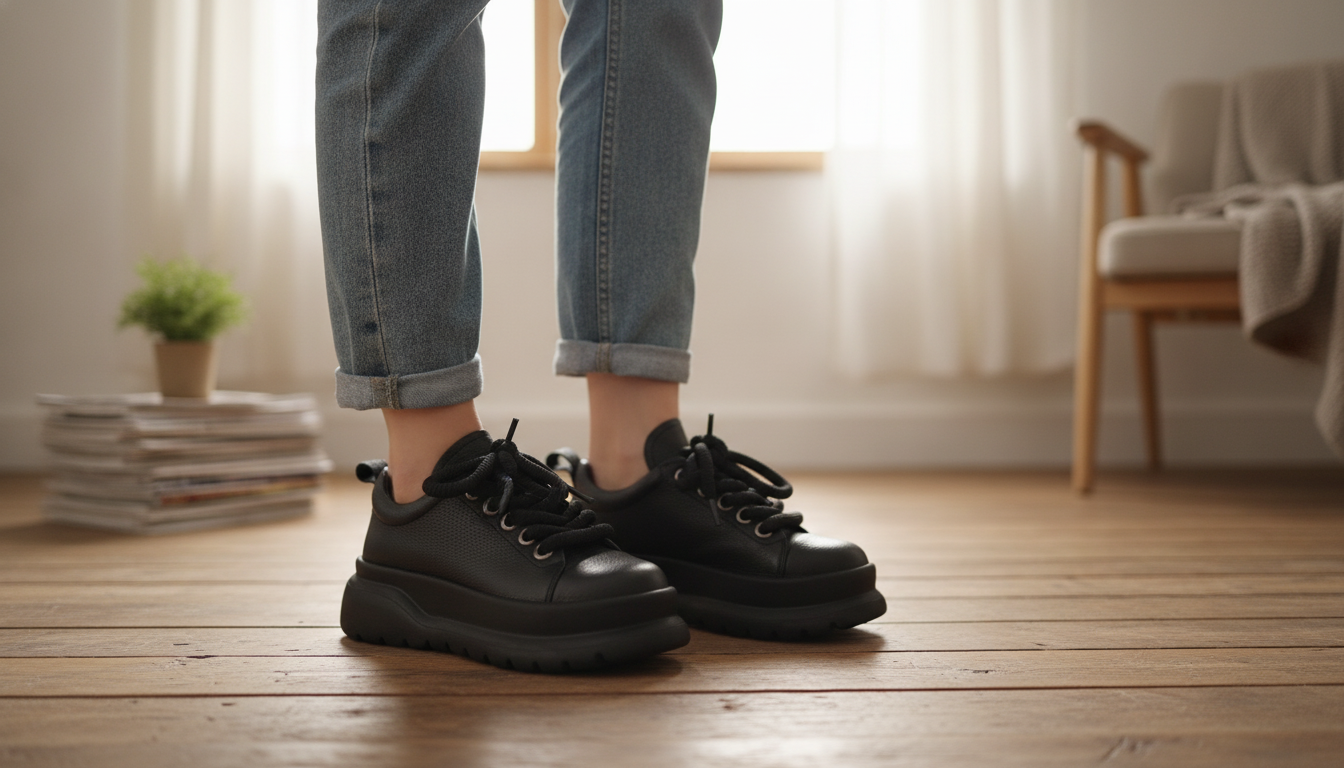
Genuine Leather Platform Lace-Up Women’s Shoes: Elevated Comfort for Everyday Wear
A pair of platform lace-up shoes can add height without the wobble of high heels, and genuine leather brings a structured look that tends to wear in comfortably over time. This guide breaks down what matters most—materials, fit, stability, styling, and care—so it’s easier to decide if this pair matches day-to-day needs and outfits.
What Makes These Platform Lace-Up Shoes Stand Out
Platform lace-ups hit a practical sweet spot: they can feel more grounded than heels while still delivering the extra lift many outfits benefit from. With genuine leather up top and an adjustable lace closure, this style is designed to look polished while adapting to your foot over time.
- Genuine leather upper for a polished, structured look that can soften and mold with wear
- Platform sole to add height with a more even weight distribution than stilettos
- Lace-up closure to fine-tune fit across the instep and reduce heel slip
- Versatile silhouette that can work for casual, smart-casual, and night-out outfits
- A strong option for building a “one-pair” solution for travel or long days on the go
Materials and Build: Why Genuine Leather Matters
Genuine leather is often chosen for its balance of structure and long-term wear. It tends to hold its shape better than many synthetics, yet it can relax slightly where your foot needs room—especially across the forefoot. While not “maintenance-free,” a simple routine can keep leather looking refined for longer.
- Leather tends to hold shape better than many synthetics while still breaking in over time
- Breathability can be better than plastic-based uppers, which may help with all-day wear
- Natural grain and finish can make scuffs less obvious with proper conditioning
- Stitching, edge finishing, and sole bonding are key checkpoints when evaluating durability
- A leather upper benefits from a consistent care routine (cleaning + conditioning + protection)
Leather vs. Common Alternatives (Practical Differences)
| Feature | Genuine Leather | Synthetic Upper |
|---|---|---|
| Break-in feel | Softens and molds over time | May feel consistent but can crease sharply |
| Breathability | Often moderate to good | Often lower (varies by material) |
| Long-term appearance | Can be maintained with conditioning | Can peel or crack depending on coating |
| Care needs | Clean/condition/protect | Wipe-clean; fewer conditioning options |
| Best for | Polished everyday wear | Budget-friendly, low-maintenance use |
For general shoe comfort and fit considerations, guidance from the American Podiatric Medical Association (APMA) can be a helpful reference point. For background on leather as a material and how it behaves, see the overview from Encyclopaedia Britannica.
Comfort and Stability: Platform Height Without the High-Heel Strain
One of the biggest advantages of platforms is how they distribute pressure. Instead of pitching your weight forward like many high heels, platforms can keep you on a thicker, flatter base. That doesn’t automatically guarantee comfort, but it can make a noticeable difference in steadiness—especially on long days.
- Platforms can feel steadier than heels because the foot sits on a thicker, flatter base
- Laces help secure midfoot lockdown, which can improve stability when walking longer distances
- Look for a balanced platform-to-heel relationship so the foot angle stays comfortable
- Cushioning and insole support influence fatigue more than height alone
- Traction matters—choose a sole pattern that grips on smooth indoor floors and light outdoor surfaces
If you’re on your feet a lot, consider pairing platforms with supportive socks or swapping in an insole that matches your arch shape. Small adjustments like tighter lacing at the ankle eyelets can also reduce sliding and hotspots.
Fit and Sizing Tips for Lace-Up Platforms
Lace-up platforms are forgiving because you can adjust tension across different parts of the foot. The goal is a secure hold through the midfoot without pressure points at the toe box or the top of the instep.
Styling Ideas: From Streetwear to Smart-Casual
Outfit Pairings That Work Well With Platform Lace-Ups
| Occasion | What to Wear | Why It Works |
|---|---|---|
| Everyday errands | Straight jeans + tee + lightweight jacket | Comfortable walking base with a clean, casual profile |
| Office casual | Tailored pants + knit top + blazer | Adds polish without needing a heel |
| Dinner or night out | Slip dress + cropped jacket | Platform height elevates the look while staying stable |
| Weekend city walk | Wide-leg pants + fitted tank + overshirt | Balances volume with height and structure |
Care and Maintenance to Keep Leather Looking Its Best
Quick Look: Product Summary
- Product: Genuine Leather Platform Lace-Up Women’s Shoes
- Price: $167.51 (USD)
- Availability: In stock
- Best for: Adding height with everyday stability; outfits ranging from casual to smart-casual
- Consider if: A secure lace-up fit and leather finish are priorities over ultra-lightweight minimal shoes
Also Consider (In Stock)
If you want a lighter, sportier leather option for warm-weather rotation, take a look at Clarks Women’s Grey Leather Sneakers for Spring/Summer.
FAQ
Do genuine leather shoes stretch over time?
Leather can relax and mold slightly with wear, especially across the forefoot, but it shouldn’t rely on “stretching” to fix a painful fit. Aim for snug-but-not-tight, and use lacing adjustments to fine-tune pressure across the instep.
Are platform shoes comfortable for all-day walking?
Platforms can feel stable because the foot sits on a thicker, flatter base, but all-day comfort depends on cushioning, arch support, shoe weight, and traction. Breaking them in gradually and adding supportive insoles (if needed) can help reduce fatigue.
How should leather platform shoes be cleaned and protected?
Wipe them clean after wear, condition occasionally to prevent dryness, and apply a leather-appropriate water/stain protector before wet-weather use. If they get damp, let them air-dry away from direct heat to avoid stiffening or cracking.








Leave a comment