Under-Pillow Bluetooth Sleep Speaker: Quiet Bedtime Audio
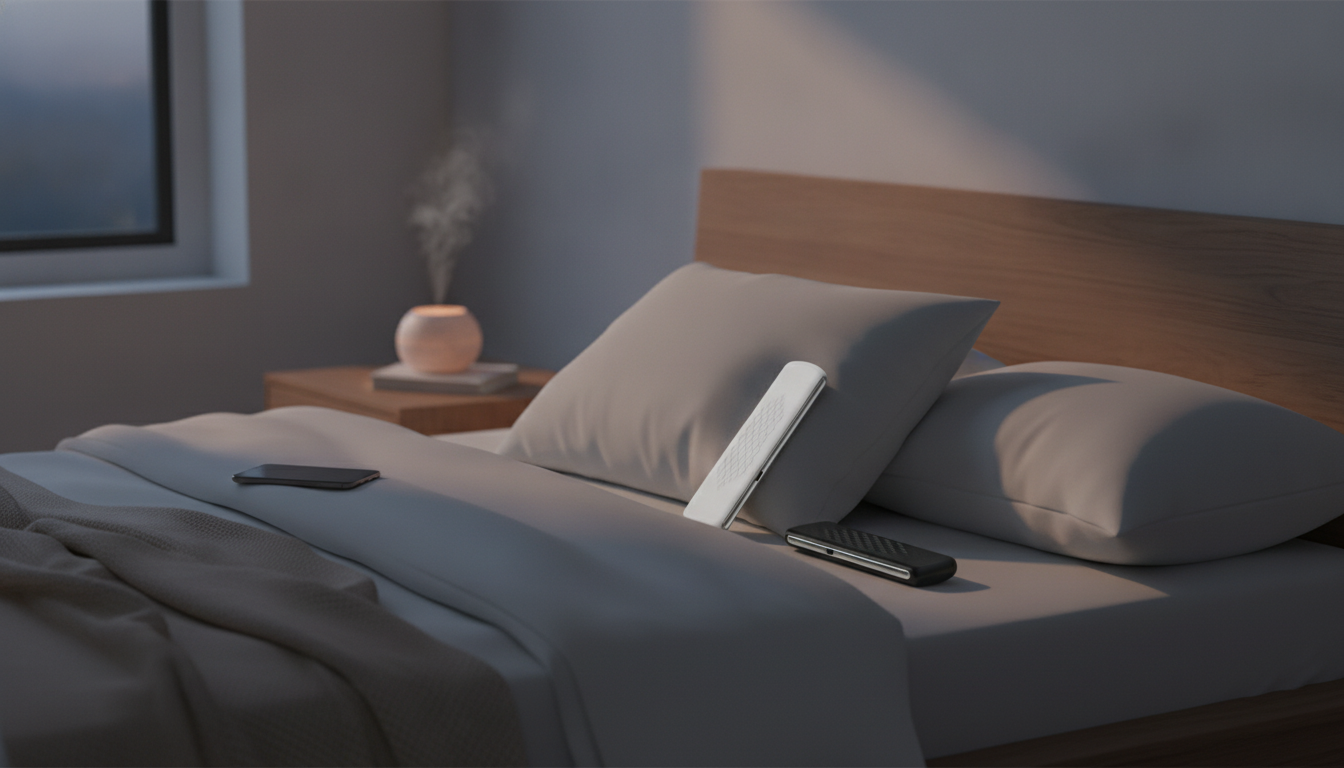
Under-Pillow Bluetooth Sleep Speakers: A Comfortable Way to Listen Without Disturbing the Room
A slim under-pillow speaker can make bedtime audio feel more personal—quiet enough to keep the room calmer, close enough to hear clearly, and flexible enough to stay comfortable under a pillow. Paired with white noise, it can also help smooth out disruptive sounds like traffic, hallway noise, or a partner’s snoring. Below is a practical guide to how under-pillow sleep speakers work, who they tend to help most, and what to check before ordering.
What an under-pillow sleep speaker is (and why it feels different from earbuds)
An under-pillow sleep speaker is a thin speaker pad designed to sit under your pillow or inside the pillowcase. Instead of filling the room with sound like a bedside speaker, it delivers audio close to your ear, which can help reduce sound leakage at lower volumes.
- Plays audio through a slim, pillow-friendly speaker pad placed under or inside a pillowcase.
- Designed to reduce sound leakage compared with playing audio out loud on a phone or bedside speaker.
- Avoids in-ear pressure, earwax buildup, and discomfort that some people get from earbuds at night.
- Pairs with a phone or tablet over Bluetooth for music, podcasts, meditation, or bedtime stories.
If you’re a side sleeper or you wake easily, the “close-to-the-ear” setup can be a big comfort upgrade—especially for anyone who finds earbuds pokey, slippery, or irritating after an hour or two.
Key features to look for before ordering
Not every under-pillow speaker feels the same. Comfort and usability matter more at 1:00 a.m. than they do during a quick daytime test.
- Comfort profile: a thin, flexible build that won’t create a noticeable lump under the pillow.
- Connectivity: stable Bluetooth pairing and easy re-connection after charging.
- Noise options: built-in white noise (or the ability to stream noise apps) to mask disruptive sounds.
- Controls: simple buttons or inline controls that are usable in the dark.
- Power: battery runtime that covers a full night and a straightforward charging method.
- Sound leakage: enough clarity for the listener while staying subtle for a partner.
| Feature | Why it matters at bedtime | What to aim for |
|---|---|---|
| Thickness/softness | Comfort and pressure points | Low-profile, flexible pad |
| White noise support | Masks sudden sounds and creates consistency | Built-in noises or easy streaming |
| Bluetooth stability | Fewer dropouts and re-pair hassles | Reliable connection in the bedroom |
| Battery/charging | Avoid waking up to silence | Overnight runtime, simple charging |
| Sound leakage | Keeps the room quiet for others | Audible to you, subtle outside the pillow |
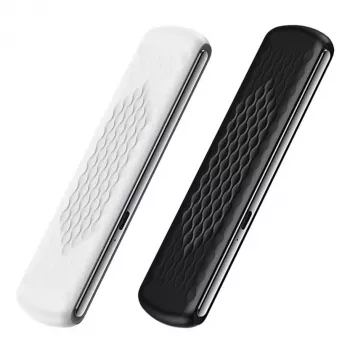
Product spotlight: Under Pillow Bluetooth Sleep Speaker with White Noise
If you want a simple, budget-friendly way to listen privately at night, the Under Pillow Bluetooth Sleep Speaker with White Noise is built for exactly that: personal bedtime audio that stays close to your ear instead of broadcasting across the room.
- A budget-friendly option designed for listening under the pillow while keeping the room calmer and quieter.
- Supports Bluetooth playback for streaming bedtime audio from a phone or tablet.
- Includes white-noise functionality to help cover distractions like traffic, neighbors, or a snoring partner.
- Useful for side sleepers who dislike earbuds but still want personal audio.
| Item | Details |
|---|---|
| Name | Under Pillow Bluetooth Sleep Speaker with White Noise |
| Price | 20.97 USD |
| Availability | In stock |
| Product page | View product |
Best use cases (who tends to love this kind of speaker)
- Light sleepers: people who wake up to small noises and prefer a steady background sound.
- Couples sharing a bed: anyone who wants to listen without turning on room audio.
- Earbud-averse sleepers: those who get pressure, soreness, or have earbuds fall out during the night.
- Parents: gentle bedtime audio without placing a loud device near a child’s head.
- Travelers: making unfamiliar hotel noise feel less disruptive and more predictable.
White noise can be especially helpful for “startle wake-ups,” where a single clank, car horn, or door close snaps you awake. For a deeper look at how masking sounds may affect sleep, see Sleep Foundation — White Noise and Sleep.
How to set it up for the most comfortable sound
Because the sound source sits so close to your ear, it’s smart to keep volume moderate. For general guidance on hearing health and reducing risk from loud sound exposure, reference the National Institute on Deafness and Other Communication Disorders (NIDCD) — Noise-Induced Hearing Loss.
Practical tips for quieter nights (without overdoing volume)
More in-stock picks you may like
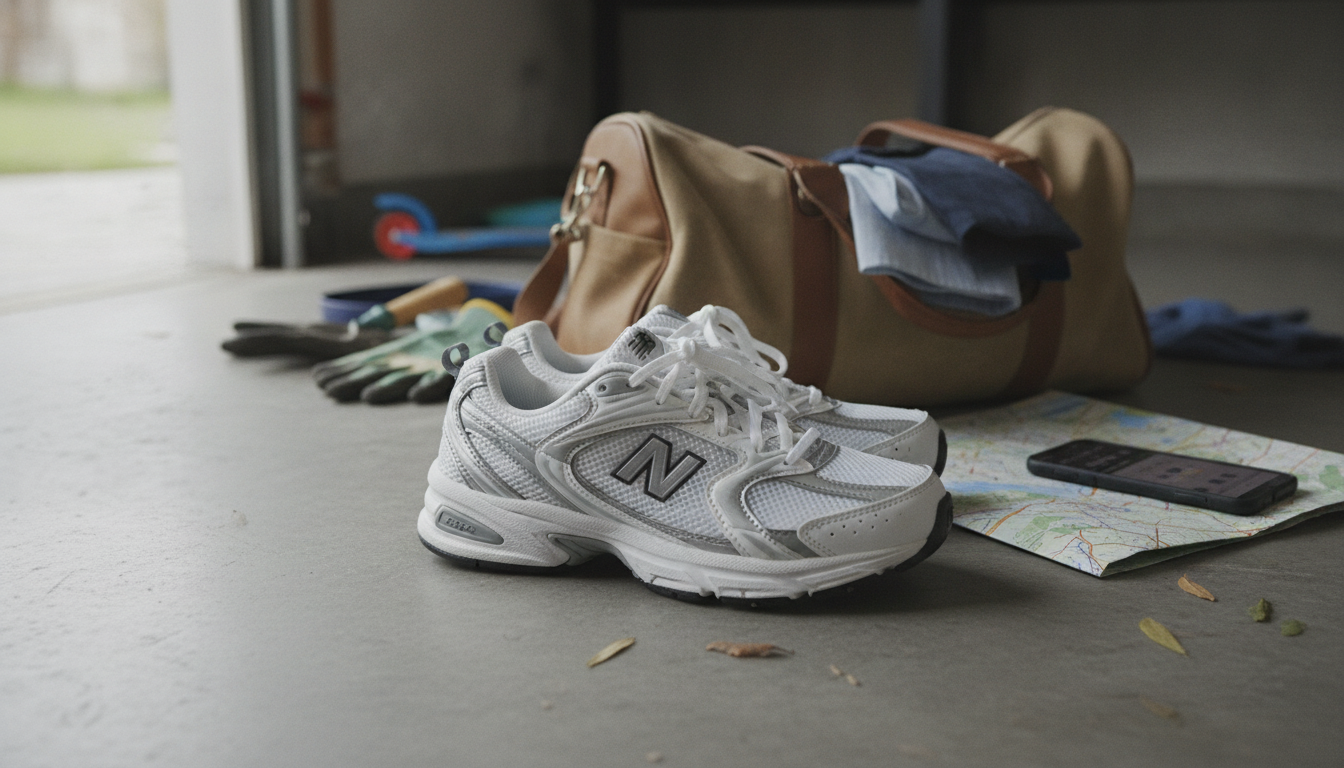
- Clarks Women’s Grey Leather Sneakers for Spring/Summer (in stock)
- Professional Hair Dryer 5 In 1 Hair Styler Hot Air Comb (in stock)
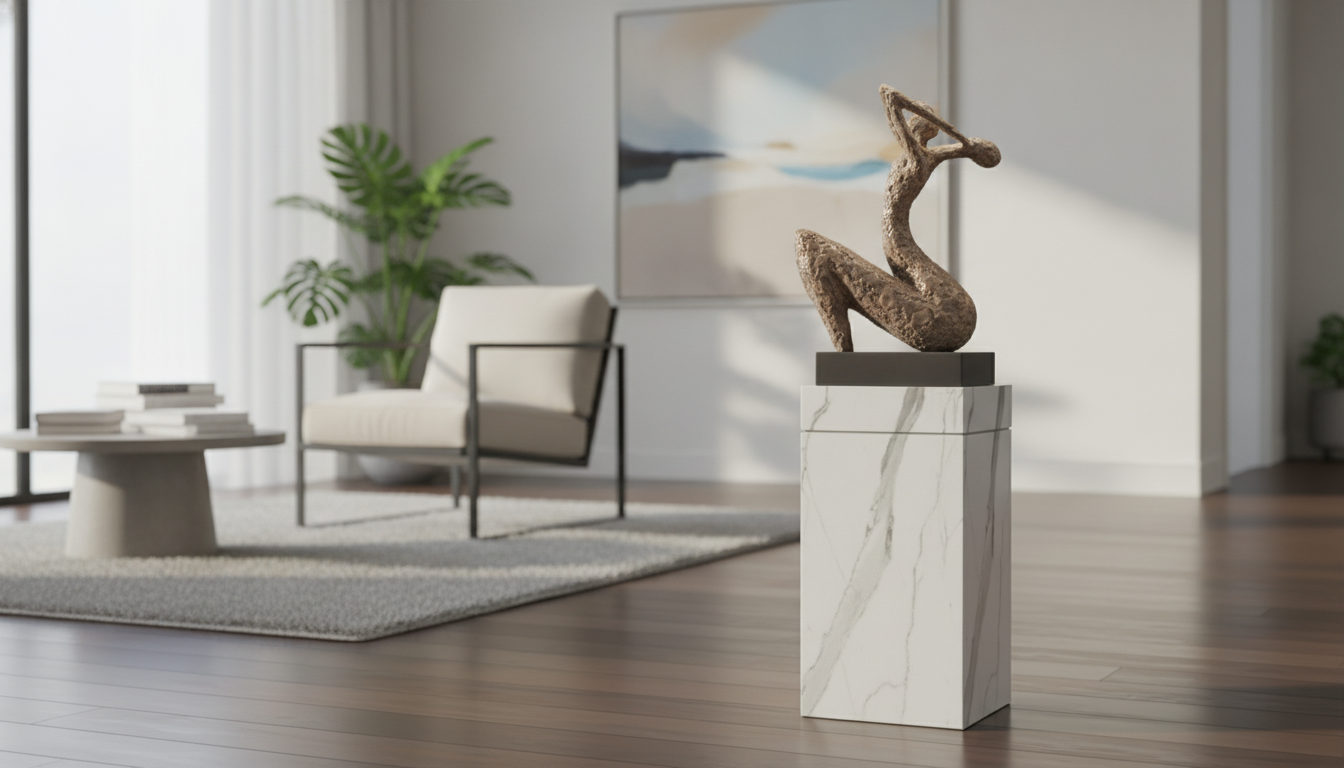
- Nordic Girl Diver Reading Figurine (in stock)
FAQ
Can an under-pillow speaker bother a partner sleeping next to you?
It can, but under-pillow placement usually reduces leakage because the pillow dampens the sound. Keep the volume low and test it by standing on your partner’s side of the bed while it plays at your normal listening level.
Is it safe to sleep with a speaker under the pillow all night?
In general, it’s safest to follow the manufacturer’s guidance, keep volume moderate, and avoid sleeping with charging cables in the bed. Using a sleep timer can also limit all-night exposure and reduce heat or battery concerns from extended playback.
What’s better at night: white noise or listening to music/podcasts?
White noise is usually better for steady masking because it’s consistent and less mentally engaging. Music, podcasts, or audiobooks can be great for winding down, but a timer helps prevent abrupt wake-ups from loud ads, episode changes, or attention-grabbing content.






Leave a comment