Folding Camping Utility Wagon: Pull-Rod Trolley Guide
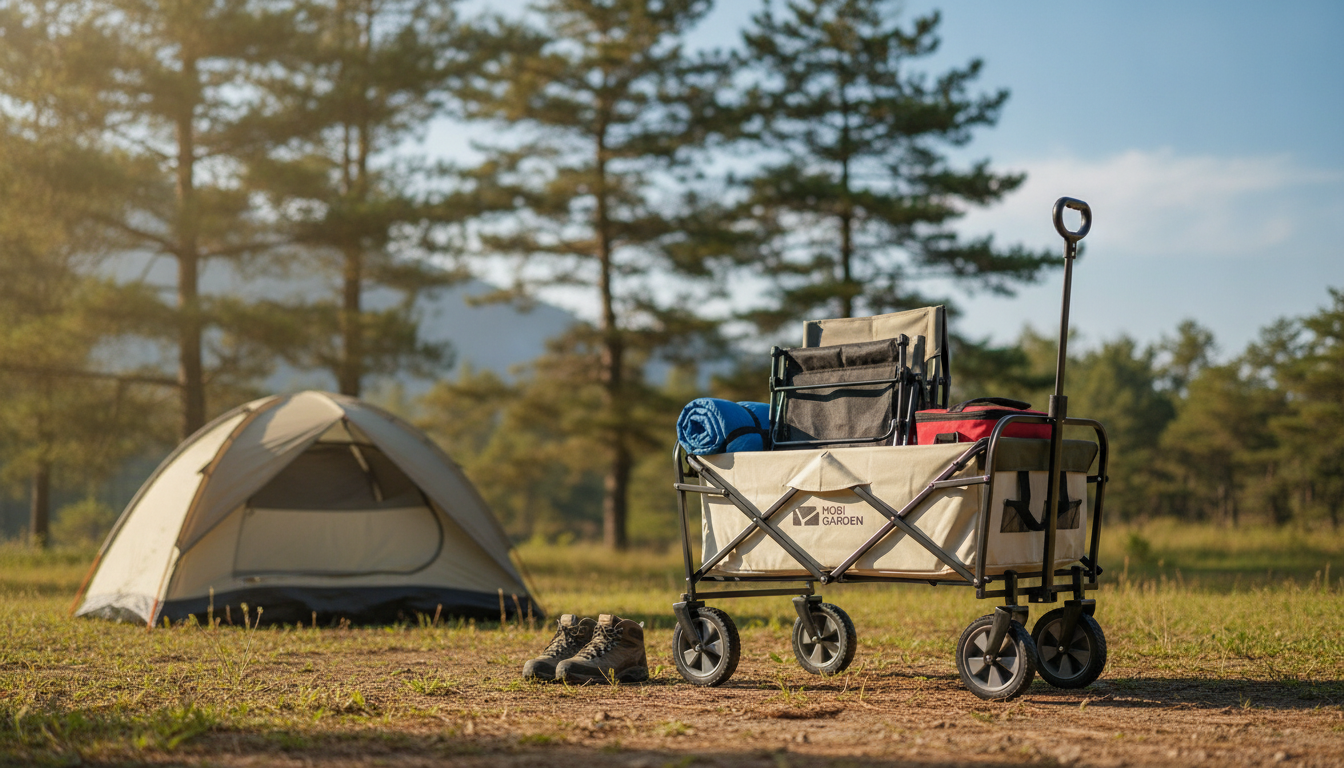
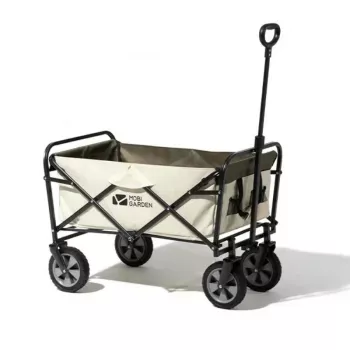
Portable Folding Camping Trolley with Pull Rod – Outdoor Utility Wagon
Hauling coolers, tents, firewood, and beach gear is easier when the load rolls smoothly and stores compactly afterward. A folding outdoor utility wagon with a pull rod is designed to cut down on repeat trips, keep hands free for bulky items, and fold down for car trunks, closets, and campsites where space is limited. Whether the day looks like a long campground walk-in, a gear-heavy sports tournament, or a backyard cleanup, the right wagon setup helps everything arrive in one organized load instead of five separate armfuls.
What This Type of Wagon Is Best For
A portable folding camping trolley is a practical “bring-it-everywhere” hauler. It shines when the path is longer than expected, parking is far from the action, or the load is awkward to carry by hand.
- Camping: moving tents, chairs, water jugs, and cooking bins from parking to site
- Beach days: transporting towels, umbrellas, and coolers across sand (best results on firmer sand)
- Sports and events: carrying team gear, pop-up shelters, and snack crates
- Gardening and yard tasks: moving soil bags, mulch, and tools around the property
- Outdoor markets and vendors: hauling boxes and display materials from vehicle to stall
For camping prep and packing reminders, the REI camping checklist is a helpful reference for organizing bulky essentials before they ever hit the wagon.
Key Features to Look For in a Folding Camping Trolley
Two wagons can look similar online but feel very different once loaded and pulled. These features tend to make the biggest real-world difference:
- Folding mechanism: quick collapse and a secure lock-open design to prevent accidental folding while loaded
- Pull rod design: comfortable grip, good length for stride, and smooth steering for tight paths
- Wheel performance: diameter and tread that match terrain (pavement, packed dirt, grass, sand)
- Load handling: stable base, low center of gravity, and a frame that resists flexing when turning
- Fabric bed: durable material with reinforced corners; removable or easy-to-clean liner is a plus
- Storage: compact folded size and a carry cover to keep the wagon clean in the car
- Practical add-ons: pockets, cup holders, bungee points, or tailgate-style opening depending on use
If you’ll be pulling over mixed surfaces (parking lot to gravel to grass), prioritize steering control and stability over maximum capacity on paper. A slightly smaller, more manageable load often moves faster than an overfilled wagon that constantly wants to tip or fishtail.
Quick Comparison: Match Wagon Setup to Typical Trips
Use this table to decide which characteristics matter most for how and where the wagon will be pulled.
| Scenario | Terrain | What matters most | Nice-to-have extras |
|---|---|---|---|
| Campground walk-in sites | Packed dirt, gravel, roots | Stable frame, smooth steering, durable wheels | Side pockets, easy-clean fabric |
| Beach hauling | Sand, boardwalks | Wider wheels, strong pull rod, rinse-friendly materials | Cover bag, drain-friendly bed |
| Sports fields/events | Grass, pavement | Large capacity, quick fold/unfold | Cup holders, gear pockets |
| Yard and garden work | Soil, mulch, uneven ground | Load stability, rugged base, easy cleaning | Removable liner, hose-off fabric |
How to Use a Pull-Rod Wagon More Comfortably
A wagon that feels “hard to pull” is often a packing and technique problem as much as a wheel problem. Small adjustments can noticeably reduce strain and improve control.
- Pack heavier items low and centered to reduce tipping on turns and slopes.
- Avoid over-stacking: keep the load below the top rail so it doesn’t shift on bumps.
- On inclines, pull slowly and take wider turns; pause to re-center the load if the wagon drifts.
- For sand, reduce load weight and aim for firmer paths; short pulls with brief rests can help.
- Secure loose items with straps or bungees when moving over roots, rocks, or curbs.
For group trips, it can help to pack in “modules” (one tote for kitchen items, one for shelter stakes and cords, one for snacks). That way the wagon stays balanced, unloading is faster, and reloading for the return walk is less chaotic.
Care, Cleaning, and Storage
A folding wagon tends to live in cars, garages, and campsites—places where dust, grit, and moisture are common. Keeping it clean helps the folding joints and wheels last longer.
When camping, pairing good gear habits with low-impact practices keeps sites pleasant for everyone. The Leave No Trace 7 Principles are a solid guide for minimizing impact while still bringing the convenience items that make outdoor days easier.
Safety Notes for Outdoor Wagons
For general consumer safety education and recall awareness, the U.S. Consumer Product Safety Commission (CPSC) is a useful resource.
Product Options
- Portable Folding Camping Trolley with Pull Rod – Outdoor Utility Wagon: a foldable hauling solution for camping, beach trips, events, and yard work.
- Clarks Women’s Grey Leather Sneakers for Spring/Summer: a comfortable option for walk-in sites and long event days when you’ll be pulling gear across parking lots and fields.
FAQ
How much weight can a folding camping wagon carry?
Capacity varies by frame design and wheel setup, so use the product’s stated load limit. For stability, keep heavier items low and centered and avoid stacking beyond the top rail where shifting becomes more likely.
Do outdoor utility wagons work on sand?
They can, but performance depends heavily on wheel width and load weight. Lighter loads and wider wheels generally roll better, and sticking to firmer sand or boardwalk paths reduces drag.
How small does a folding wagon get when stored?
Folded size differs by model, so check the listed folded dimensions against your trunk or closet space. A storage cover is also useful for keeping the fabric clean and preventing dirt from transferring to car interiors.








Leave a comment