450-Piece Mechanics Tool Set Guide: What to Check
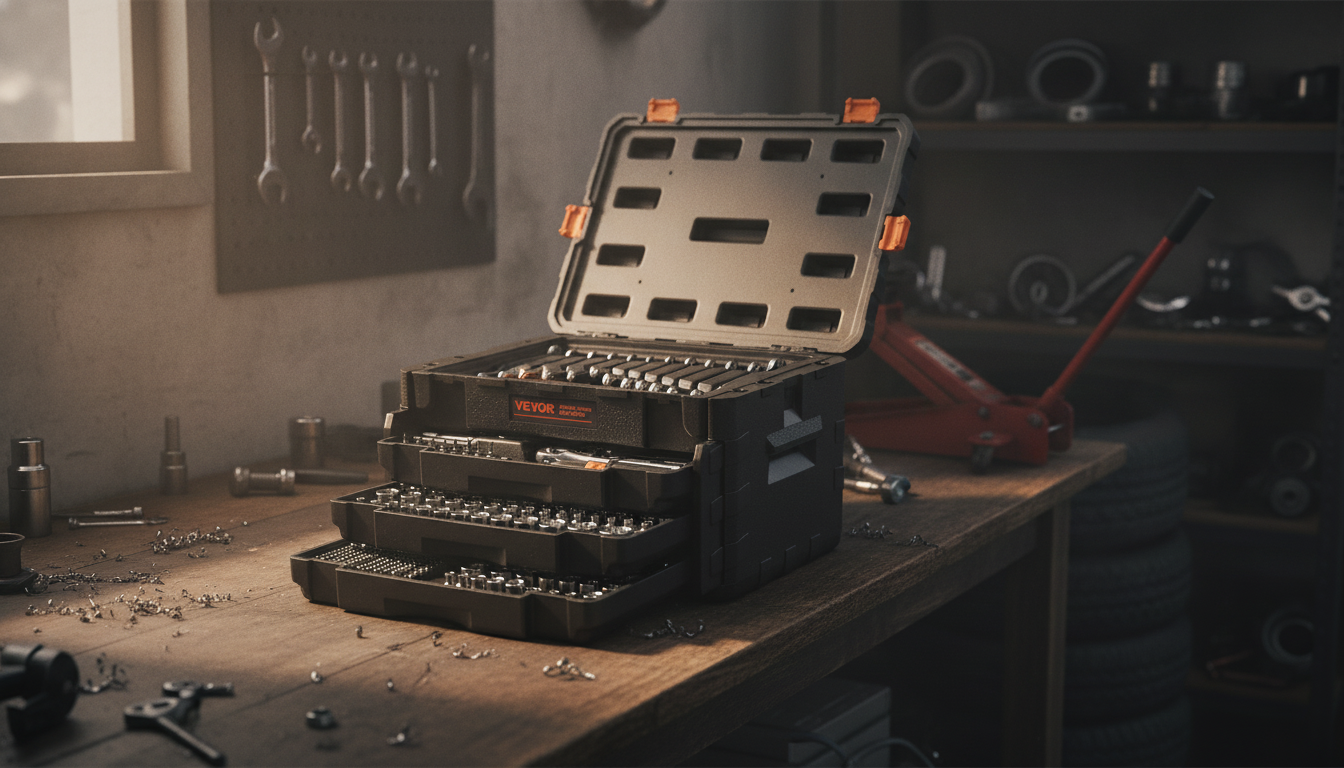
450-Piece Mechanics Tool Set: A Complete Garage-to-Go Kit for Repairs and Maintenance
A large mechanics kit can save time on everything from quick driveway fixes to deeper garage projects—if the assortment is balanced, the storage is practical, and the pieces are easy to identify and use. A 450-piece set is built for exactly that: broad coverage in one case, so you can move from fastener to fastener without stopping to run to the store or dig through multiple smaller boxes.
Below is what a 450-piece mechanics set is typically designed to handle, what to look for when you unbox it, and a few habits that help you keep the kit complete and ready for the next job—whether you’re working on a car, motorcycle, bicycle, or home maintenance list.
What a 450-piece mechanics set is designed to handle
A kit in this size class is meant to be “general-purpose capable,” not a specialty toolbox for one exact platform. The biggest advantage is the ability to pivot fast when a job surprises you with a different fastener head or size.
- Common repair scenarios: battery and terminal work, hose clamp tightening, interior fasteners, accessory installs, and general bolt removal where hand tools are appropriate.
- Home and hobby uses: furniture assembly, appliance panel access, small engine maintenance, and everyday tightening of nuts, bolts, and screws.
- Why big assortments help: many repairs “step” through sizes as you remove covers, brackets, and hardware. Having matching sockets, bits, and extensions reduces interruptions.
- Best fit for: DIYers building a first do-everything kit, households sharing tools, and anyone who prefers one organized case over multiple mini sets.
What’s usually inside (and what to look for as you unbox)
Not all 450-piece sets are built the same. The headline number can be inflated by lots of bits or duplicates, so it helps to check the balance across sockets, drives, and access tools.
Socket variety and access
- Deep and standard sockets: deep sockets reach recessed fasteners and studs; standard sockets keep things compact around tight clearances.
- Drive sizes: smaller drives are useful in tight spaces and lighter torque, while larger drives handle higher-torque tasks more comfortably. Confirm the included ratchets match the drives of the sockets provided.
Wrenches, hex keys, and bit coverage
- Wrenches and hex keys: useful where a socket can’t seat fully, or when you need to hold a nut while turning a bolt from the other side.
- Screwdriver bits and drivers: look for coverage across Phillips, slotted, Torx, and hex—common on vehicles, bikes, and many household items.
Extensions, adapters, and the case itself
| Category | Why it matters | What to confirm |
|---|---|---|
| Sockets | Covers most fastener sizes encountered in automotive and home use | Range includes both small and mid/large sizes; mix of deep and standard |
| Ratchets | Comfort and leverage affect speed and control | Smooth mechanism; comfortable handle; compatible with included sockets |
| Extensions/adapters | Improves access in tight areas | Multiple extension lengths; adapters for flexibility |
| Wrenches | Backup when sockets don’t fit or when holding hardware | Common sizes included; easy-to-read markings |
| Bits/bit driver | Handles interior fasteners, clamps, and assemblies | Torx/hex coverage; secure bit retention |
| Storage case | Prevents tool loss and speeds setup/cleanup | Labeled positions; sturdy latches; tools stay seated when carried |
Where the value comes from: coverage, organization, and time saved
How to use a large kit efficiently (without losing pieces)
Care, storage, and safety basics for hand tools
- Keep tools dry: moisture leads to corrosion. Store the case in a dry area and wipe tools after use, especially if you’ve been working near water, snow, or road salt.
- Use the right tool: avoid using pliers as a wrench substitute or a screwdriver as a pry bar; it increases slip risk and damages fasteners.
- Inspect before high-force work: cracked sockets, bent extensions, or damaged ratchets can fail suddenly and cause injuries.
- Wear eye protection: especially when dealing with stubborn fasteners, penetrating oils, or any striking tools. OSHA’s hand and power tool guidance is a solid safety refresher: https://www.osha.gov/hand-power-tools.
- Know what “standardized” means: hand tool design and performance benchmarks are often referenced through standards like ASME B107: https://www.asme.org/codes-standards/find-codes-standards/b107-hand-tools-accessories.
Who this 450-piece set is best for (and who may want something different)
Product options available
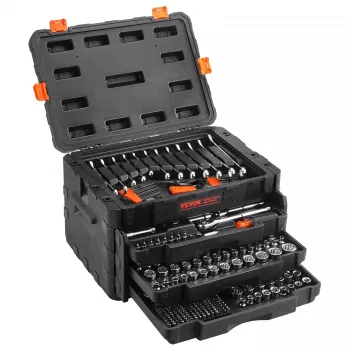
- 450-Piece Mechanics Tool Set ($154.17) — a high-coverage kit built around an organized case for multi-task repairs and maintenance.
- Professional Hair Dryer 5 In 1 Hair Styler Hot Air Comb ($66.51) — a practical add-on for a garage or travel setup when you want quick heat and controlled airflow for non-toolbox needs.
- Clarks Women’s Grey Leather Sneakers for Spring/Summer ($66.01) — comfortable footwear can matter during longer DIY sessions when you’re on your feet in the garage or driveway.
FAQ
Is a 450-piece mechanics set too much for a beginner?
No—beginners often benefit from broad size coverage and a labeled case, because it reduces guesswork and last-minute store runs. Start by learning the most-used sockets, ratchet, and extensions, then build a simple habit of returning tools to their slots after each task.
What should be added to a mechanics tool set for car maintenance?
Helpful add-ons include a torque wrench for accuracy, a breaker bar for stubborn fasteners, penetrating oil, gloves and eye protection, and a magnetic pickup tool for dropped hardware. These items complement sockets and ratchets by improving control, safety, and repeatable results.
How should a tool set be stored to prevent rust and missing tools?
Wipe tools after use, store the case in a dry area, and consider silica packs if the space is humid. Return every piece to its labeled slot and do a quick visual inventory before you latch the case so missing items are caught early.









Leave a comment