Non-Woven Storage Bag Organizer for Quilts & Clothes
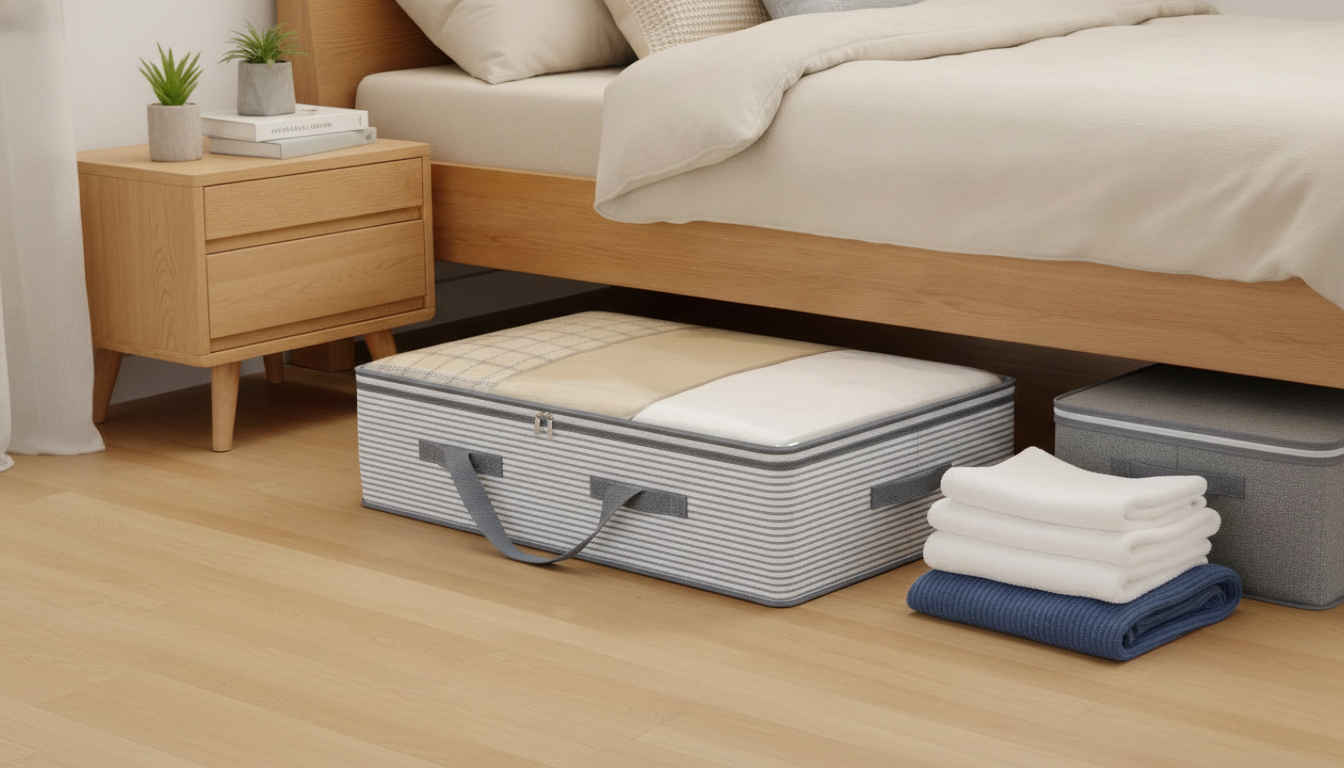
Large-Capacity Storage That Makes Small Spaces Feel Bigger
Bulky quilts, seasonal coats, and spare bedding can quickly take over shelves and floors. A large-capacity non-woven storage bag organizer helps compress clutter into stackable, easy-to-carry units while protecting fabrics from dust during storage or moves. For closets, dorm rooms, and tight apartments, soft-sided storage is often the difference between “no room left” and a setup that’s easy to live with.
What a non-woven storage bag organizer does well
Soft storage bags solve a specific problem: bulky textiles that don’t fit neatly into drawers or standard bins. Instead of piling comforters on a top shelf (where they slump and collect dust), a structured bag creates a clear “container” for items that are only needed part of the year.
- Keeps off-season clothing, quilts, and spare linens contained so closets and under-bed areas stay usable.
- Groups items by category (winter bedding, guest-room sheets, baby clothes) to reduce rummaging and re-folding.
- Works as a lightweight alternative to rigid bins—easier to carry, fold, and store when empty.
- Helps reduce surface dust exposure compared with open shelving or uncovered piles.
Capacity planning: what fits and how to avoid overstuffing
Large bags are most satisfying when they’re packed evenly—not crammed. The goal is a stable, rectangular shape that stacks well and closes without straining the zipper. A few minutes of planning prevents split seams, stuck zippers, and lumpy bags that won’t slide under the bed.
- Best candidates: comforters, quilts, sweaters, hoodies, towels, spare pillows, and seasonal outerwear.
- Avoid overstuffing to protect zippers and seams; leave enough slack to close smoothly without forcing.
- For delicate fabrics (wool, silk blends), store clean and fully dry; add a breathable sachet if desired.
- Separate high-lint items (fleece) from dark delicates to keep storage tidy and reduce fiber transfer.
| Item type | Typical quantity per large bag | Packing tip |
|---|---|---|
| Quilt/comforter | 1–2 (depending on thickness) | Fold into thirds, then roll to reduce air pockets and create an even shape |
| Sweaters/hoodies | 8–15 | Alternate directions of folds to create a flatter stack |
| Bath towels | 10–18 | Roll tightly to maximize capacity and prevent corner bulges |
| Seasonal jackets | 4–8 | Zip and close pockets first so hardware doesn’t snag other garments |
| Bedsheets & pillowcases | 2–4 full sets | Store a set inside one pillowcase for easy grab-and-go |
Material and build: why non-woven fabric is popular for soft storage
Non-woven fabric is a staple for closet organizers because it hits a practical balance: lightweight, flexible, and sturdy enough for textiles. Unlike hard plastic bins, it adapts to the space you actually have—narrow shelf widths, under-bed clearances, and the awkward corners of dorm wardrobes.
- Non-woven fabric is lightweight and flexible, making it easier to fit into closets, dorm wardrobes, and under-bed gaps.
- Breathable construction can be helpful for textiles, provided items are stored clean and completely dry.
- Look for reinforced seams and sturdy handles for heavier loads like thick quilts or multiple towels.
- Zippered closure helps keep contents contained and reduces dust settling on stored textiles.
If moisture is a concern, prioritize storage conditions first: dry items, dry location, and occasional airing. Guidance from reputable public health sources emphasizes moisture control as the key to preventing mold growth in the home. See the EPA’s mold and moisture guide and the CDC’s mold prevention principles for practical prevention basics.
Where it works best: closet shelves, under-bed storage, and moving day
For general organizing routines and room-by-room storage ideas, many households find it helpful to reference mainstream home organization resources like Good Housekeeping’s organizing guidance and adapt the concepts to their own space limits.
Simple organization system that stays tidy
Care, moisture control, and fabric protection
Product spotlight: Large Capacity Non-Woven Clothes & Quilt Storage Bag Organizer
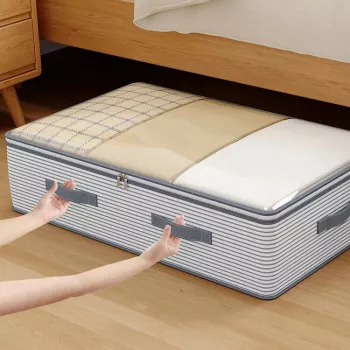
If the goal is to make bulky bedding and seasonal clothing easier to manage, the Large Capacity Non-Woven Clothes & Quilt Storage Bag Organizer is a practical option. It’s designed to consolidate soft goods into one carryable unit that stacks neatly in closets and slides into tight storage zones like under-bed space.
- A practical option for compressing bulky bedding and seasonal clothing into a single, carryable organizer.
- Designed for flexible storage in closets, under beds, and tight apartment spaces.
- Useful as an overflow solution during moves, dorm transitions, and seasonal closet rotations.
- Check price and availability for the storage bag organizer.
For dorm move-in or apartment resets, pairing storage with a few practical essentials can streamline routines. If you’re setting up a shared bathroom or limited counter space, the Professional Hair Dryer 5 In 1 Hair Styler Hot Air Comb can reduce the number of separate tools needed. And for small-space rooms that need to feel more finished without adding clutter, a compact decor piece like the Nordic Girl Diver Reading Figurine adds personality without taking over storage.
FAQ
Can quilts and comforters be stored long-term in a non-woven bag?
Yes, as long as they’re cleaned and completely dry first. Fold evenly, avoid overstuffing, and store in a cool, dry place; if stored for many months, airing them out occasionally helps keep them fresh.
How do storage bags compare with vacuum compression bags?
Non-woven storage bags prioritize easy access and gentler storage for bulky textiles. Vacuum bags can save more space, but the heavy compression may not be ideal for long-term storage of some bedding fills.
How can musty smells be prevented during storage?
Start with thoroughly dry items and avoid damp locations. Keeping bags off basement floors and re-checking or airing out stored textiles periodically matters more than adding fragrance.







Leave a comment