2-Step RV Stairs with Handrail for Stable Campsite Entry
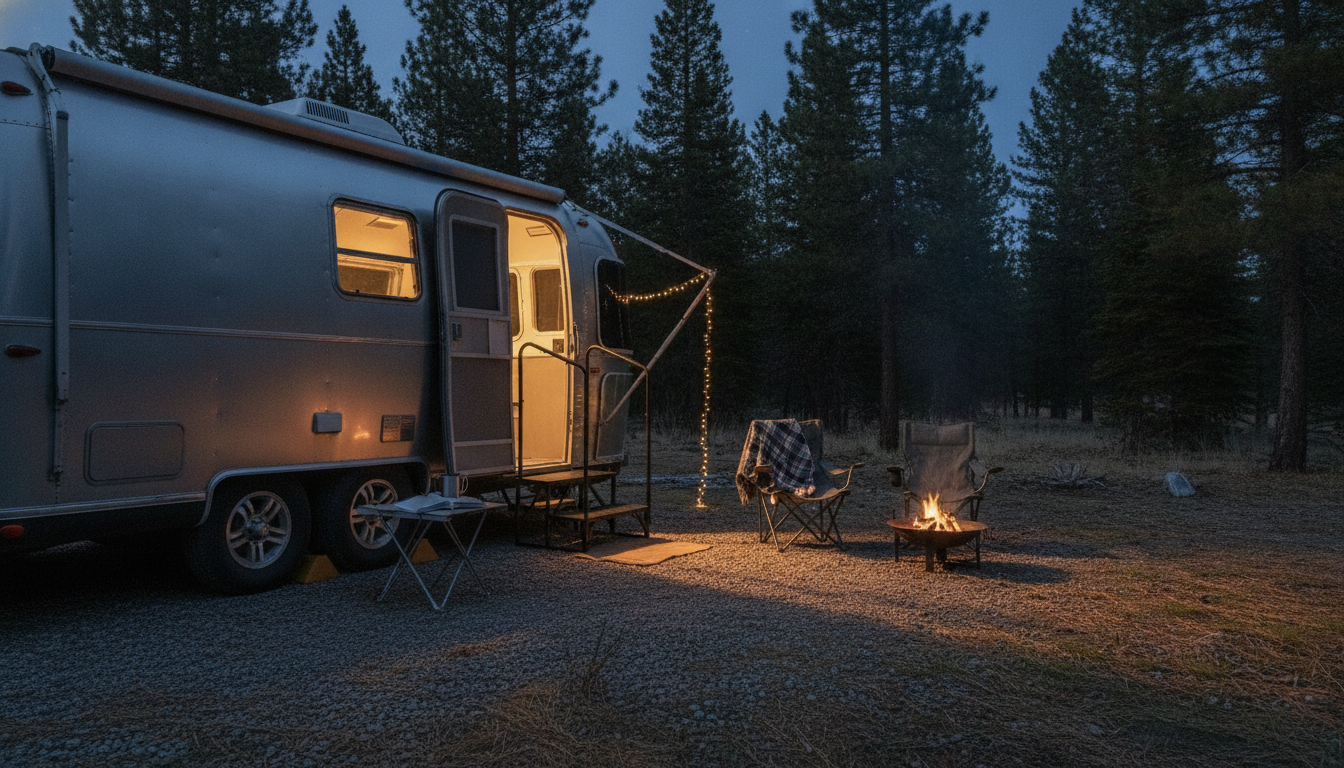
2-Step RV Stairs with Handrail: Safer, Steadier Entry at the Campsite
A solid set of steps with a secure handrail can make everyday RV entry feel dramatically more stable—especially on uneven pads, in wet weather, or when kids and pets are moving in and out. A 2-step design often hits the sweet spot for many rigs: not as steep as a single step, but still compact enough to pack and position quickly. Below are the situations where a handrail matters most, what to look for before buying, and how to set up and maintain your stairs for long-term confidence.
When a handrail makes the biggest difference
A handrail isn’t just for “extra comfort”—it can be the difference between a controlled step and a sudden slip when conditions change.
- Uneven campsite surfaces: A handrail gives an extra point of contact when the bottom step isn’t perfectly level.
- Rain, dew, and morning frost: Grip support reduces slip risk when traction is compromised.
- Night entry: Steadier movement when visibility is limited (even with porch lights).
- Kids, seniors, and anyone carrying gear: Improves balance while stepping down with hands occupied.
- Pet management: Better control when a dog pulls, hesitates, or tries to squeeze past on the steps.
For broader safety guidance around fall prevention and balance, the CDC’s fall-prevention resources are a helpful reference point, especially for households that travel with older family members.
What to look for in 2-step RV stairs with a handrail
Not all “2-step” units feel the same underfoot. The most confidence-inspiring sets prioritize stability first, then convenience.
- Stable frame and step platform: Minimizes flex and side-to-side wobble when weight shifts mid-step.
- Non-slip step surface or added tread: Traction often matters more than step height alone when conditions are wet or dusty.
- Handrail height and grip shape: The rail should feel natural to grab from both the top and bottom steps without needing to reach awkwardly.
- Doorway compatibility: Check the mounting style and confirm the rail won’t interfere with the main door or screen door swing.
- Weight capacity and real-world sturdiness: Look for clear load guidance and reinforced joints that hold up to frequent in-and-out traffic.
- Portability and setup: Decide whether you want steps that stay put for a long stay or a unit that’s easy to move and store between stops.
For RV-specific construction and safety considerations, you can also review the overview page for NFPA 1192 (Recreational Vehicles).
Fit and sizing checklist before buying
Two steps should feel natural—no “drop” off the last tread and no high knee-lift to get inside. Measuring before ordering helps prevent that uneasy, bouncy feel that can show up when the rise is off.
- Measure entry height: Ground-to-threshold height determines whether 2 steps land comfortably or feel too steep.
- Check step rise and depth: Deeper treads generally feel safer, especially when stepping down.
- Confirm available landing space: Ensure the bottom step won’t land on a slope, rock border, or sewer hookup area.
- Consider leveling blocks: Plan for how often the RV sits higher/lower and how that changes step geometry.
- Account for add-ons: Door mats, rugs, and skirting can change how the bottom step sits.
| What to measure | How to measure | Why it matters |
|---|---|---|
| Threshold height | From ground to the top of the RV entry threshold | Confirms whether two steps give a comfortable rise |
| Clear door swing | Open the door fully and note the space beside the doorway | Prevents the rail/steps from blocking the door or screen |
| Step landing area | Check the ground where the bottom step will sit | Avoids wobble caused by slopes, rocks, or soft soil |
| Desired tread depth | Compare current steps or a household stair you find comfortable | Improves footing and confidence on descent |
| Storage/transport space | Measure pass-through or storage compartment area | Ensures the steps fit when traveling or storing |
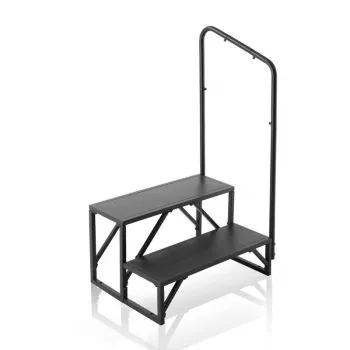
Spotlight product: 2-Step RV Stairs with Handrail
If your current step setup feels steep, narrow, or sketchy on variable ground, a 2-step unit with an integrated handrail is a straightforward upgrade for day-to-day campsite living.
- A 2-step configuration for easier entry/exit where a single step feels too tall
- Includes a handrail to add balance support and reduce missteps during descent
- A practical upgrade for frequent in-and-out traffic at the campsite
- Best suited for travelers who value stability when ground surface changes from site to site
| Item | Details |
|---|---|
| Product | 2-Step RV Stairs with Handrail |
| Price | 71.17 USD |
| Availability | In stock |
Setup tips for a steadier feel on uneven ground
Care and long-term safety checks
Other in-stock picks
- Professional Hair Dryer 5 In 1 Hair Styler Hot Air Comb
- Nordic Girl Diver Reading Figurine
- Clarks Women’s Grey Leather Sneakers for Spring/Summer
FAQ
Will 2-step RV stairs with a handrail fit any RV doorway?
Fit depends on your ground-to-threshold height, the mounting style, door swing clearance, and the space where the bottom step will land. Measure your threshold height and confirm the handrail won’t interfere with the entry door or screen door.
How can RV steps be made less slippery in rain?
Add non-slip treads or anti-slip tape, keep the steps clean, and use a step pad to reduce mud buildup near the landing area. A handrail improves balance support, but it works best alongside solid traction.
Are portable RV steps stable on uneven campsites?
Stability varies by frame design and how well the feet contact the ground. Using a solid pad or board, re-seating the feet until there’s no rocking, and rechecking after rain or ground settling helps keep the steps steady.









Leave a comment