Birkenstock Women’s Black Leather Boots: Fit & Care
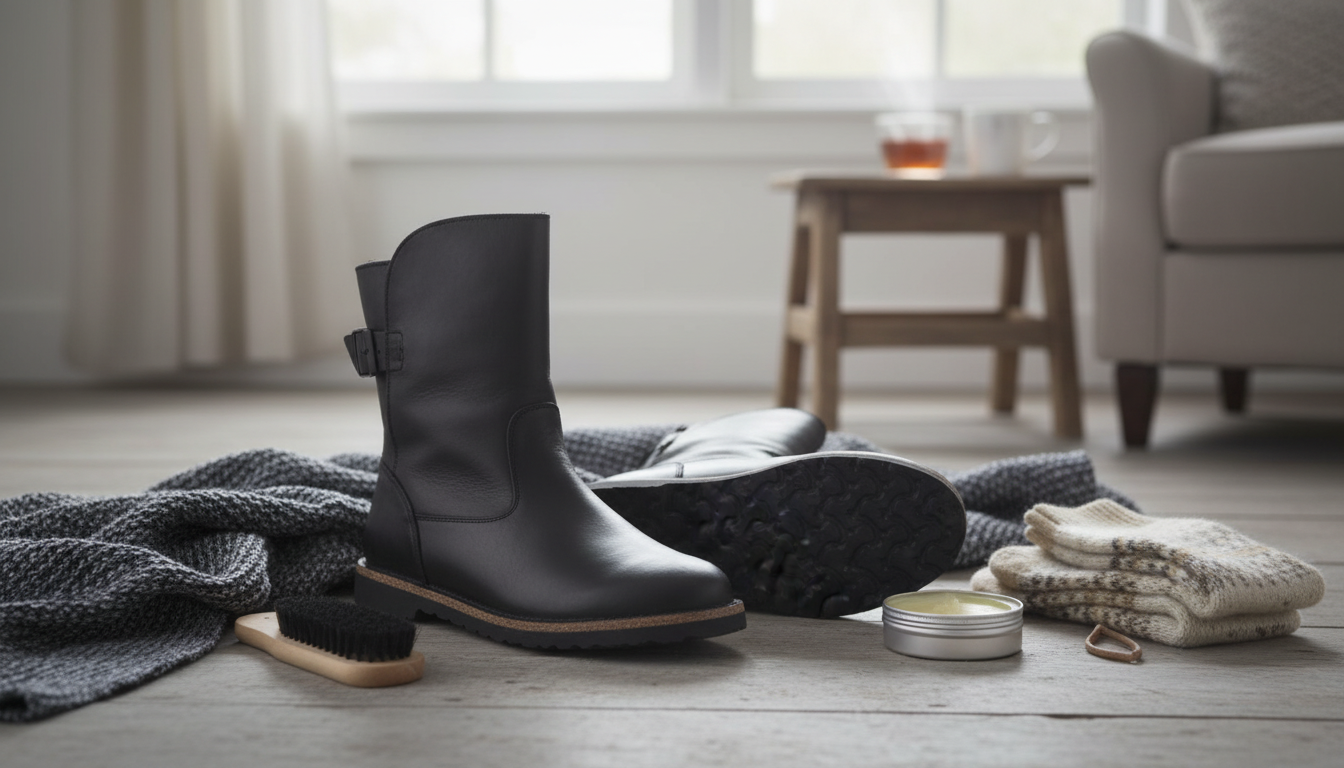
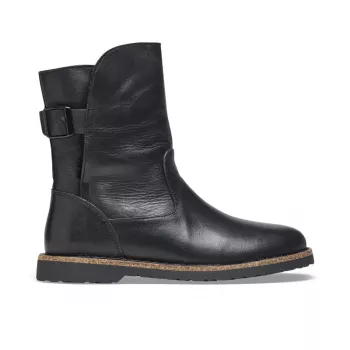
Birkenstock Women’s Black Leather Boots: Comfort-First Style for Cool-Weather Days
Leather boots can look polished without feeling stiff. Birkenstock women’s leather boots are built around comfort-forward design, making them a solid choice for commuting, travel, and everyday wear when temperatures drop. In a classic black finish, they’re easy to pair, easy to maintain with routine care, and practical for the kind of walking most days require. For more guidance, see Roderer Shoe Center | Comfortable Walking Shoes, Sneakers ….
What Makes These Leather Boots Stand Out
- Comfort-centric construction designed for long days on your feet, pairing a supportive base with a stable boot silhouette.
- Leather uppers that can soften and shape over time with consistent wear and proper conditioning.
- A versatile black finish that transitions easily from casual outfits to smarter looks.
- Everyday traction and structure intended to feel secure on sidewalks, office floors, and light outdoor errands.
When boots are part of a daily routine (not just a once-in-a-while outfit piece), small details matter: how stable they feel when stepping off curbs, whether the heel stays put, and how your feet feel after a long stretch on concrete. A comfort-first leather boot aims to reduce that end-of-day fatigue while still looking pulled together.
Birkenstock Women’s Black Leather Boots at a Glance
- A straightforward option for a minimal, wear-anywhere wardrobe: black leather boots with a comfort-first focus.
- Best suited for: workdays, travel, city walking, and day-to-night outfits where comfort matters.
- Typical break-in expectations: leather relaxes gradually; short initial wears help the boot settle comfortably.
Quick Specs & Buying Details
| Item | Details |
|---|---|
| Product | Birkenstock Women’s Black Leather Boots |
| Price | 141.51 USD |
| Availability | In stock |
| Color | Black |
| Upper material | Leather |
| Best for | Everyday wear, commuting, cool-weather outfits |
| Product page | View details |
How to Choose the Right Size and Fit
- Start with the brand’s sizing guidance when available; boot fit can differ from sandals due to closed-toe structure and thicker materials.
- Plan around socks: try with the sock thickness most often worn in fall/winter to avoid a tight forefoot or cramped toes.
- Heel security matters: a snug heel reduces rubbing; if the heel lifts significantly while walking, a different size or lacing adjustment may help.
- Toe room should feel natural: toes should not press the front even when walking downhill or stepping off curbs.
A good fit should feel secure without feeling restrictive. If you’re between sizes, consider how you’ll actually wear the boots most days—especially if you rotate between thin office socks and thicker weekend socks. If your heel is stable and your toes have space, the rest usually settles in as the leather relaxes.
Comfort, Support, and All-Day Wear
- Supportive underfoot feel is the main reason many shoppers choose this style category—useful for long commutes, standing desks, and travel itineraries.
- Break-in strategy: wear for 30–90 minutes indoors at first, then increase time gradually to reduce hotspots.
- If arch support feels strong early on, shorter wears can help the foot adjust as the materials settle.
For cool-weather days, comfort isn’t just about softness—it’s about steadiness. A supportive boot can help you feel more planted through long walks, public transit stairs, and long stretches standing. During the break-in window, pay attention to friction points (often around the heel or along the toe bend). Addressing those early with the right socks or simple protective patches can make the first week far more comfortable.
Leather Care and Weather Readiness
Leather is durable, but it’s also a natural material that responds to moisture, heat, and friction. If you want your black boots to keep their finish and feel supple, a simple routine goes a long way. For brand-specific guidance, consult Birkenstock’s care instructions. For background on leather as a material and why it behaves the way it does, see Encyclopaedia Britannica’s overview of leather.
Simple Leather Boot Care Schedule
| Task | How often | What to do |
|---|---|---|
| Quick wipe-down | After messy wears | Use a soft, slightly damp cloth; dry naturally |
| Conditioning | Every 4–8 weeks (or as needed) | Apply a leather conditioner lightly; buff after absorption |
| Water protection | Before rainy season / as needed | Use a leather-safe protector; reapply after heavy exposure |
| Deep clean | A few times per season | Use leather cleaner sparingly; avoid soaking the leather |
Outfit Ideas: From Work to Weekend
Who These Boots Are Best For
More In-Stock Picks to Round Out Your Wardrobe
- Birkenstock Women’s Black Leather Boots for cool-weather days when you want a supportive, polished staple.
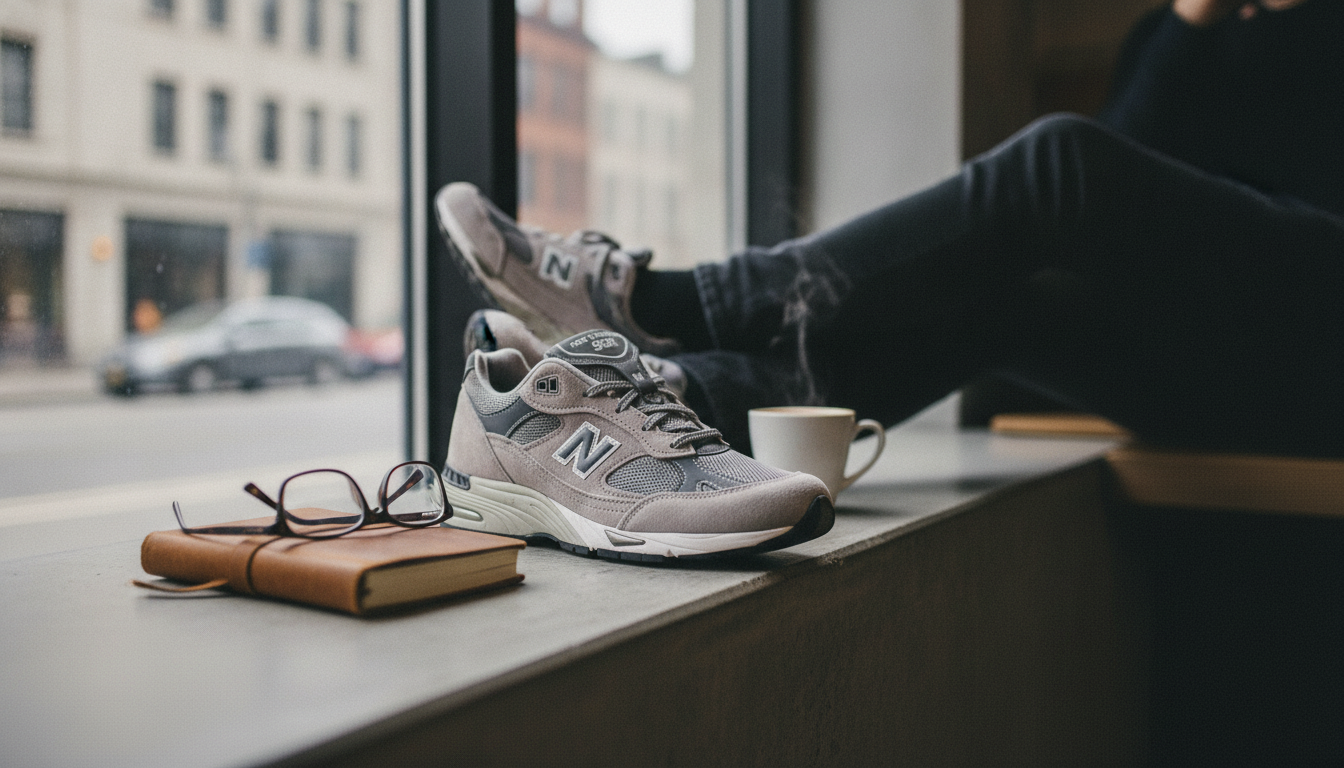
- Clarks Women’s Grey Leather Sneakers for Spring/Summer for lighter days when you still want leather durability in a more casual silhouette.
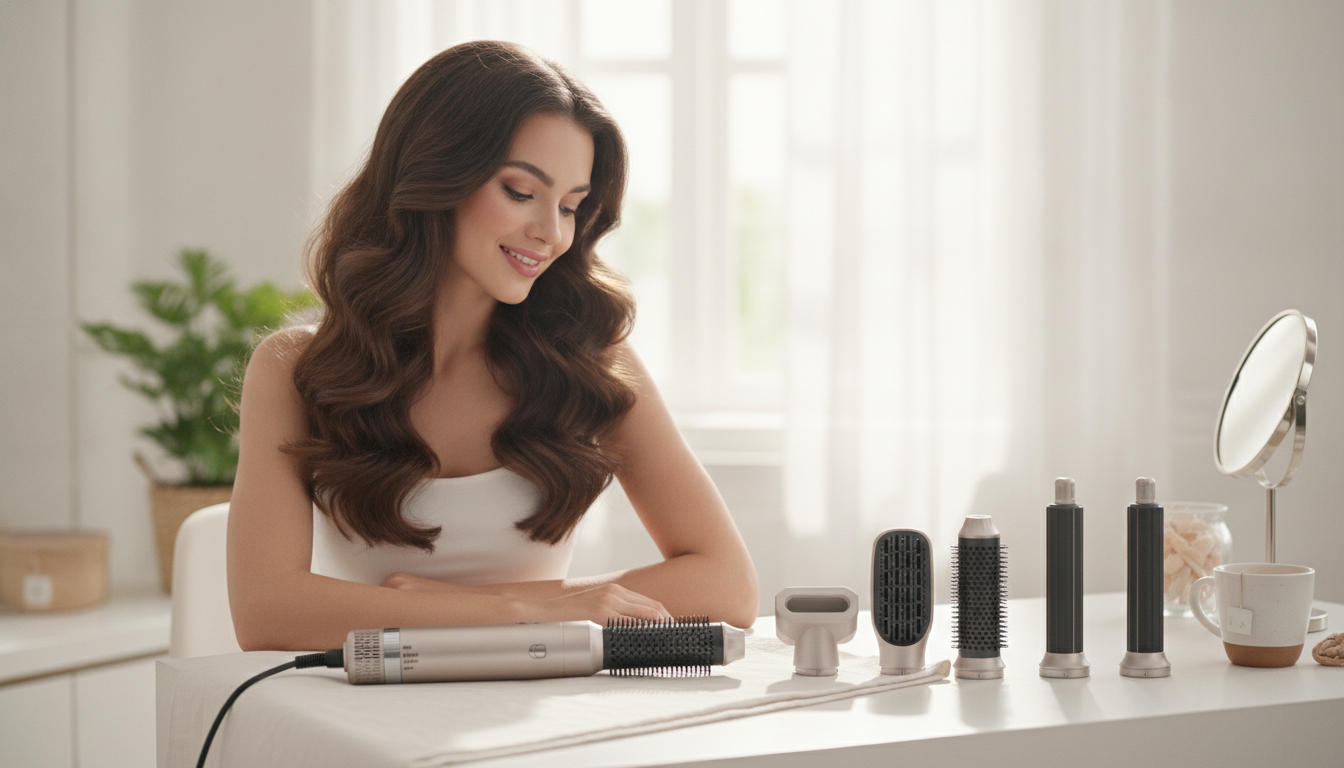
- Professional Hair Dryer 5 In 1 Hair Styler Hot Air Comb for travel or busy mornings when you want a faster, all-in-one styling routine.
FAQ
Do leather boots need a break-in period?
Yes—most leather boots soften and adapt over time. Start with shorter wears, use the socks you plan to wear most often, and address rubbing early with socks or protective patches.
How should black leather boots be cleaned after rain or snow?
Wipe off moisture and grime promptly, let them air-dry away from heat, then condition if the leather feels dry. Remove salt residue quickly to avoid stains.
What socks work best with leather boots for comfort?
Medium-weight socks help reduce friction and add warmth without crowding the toes. For very cold days, choose warmer socks but ensure the fit remains comfortable.







Leave a comment